

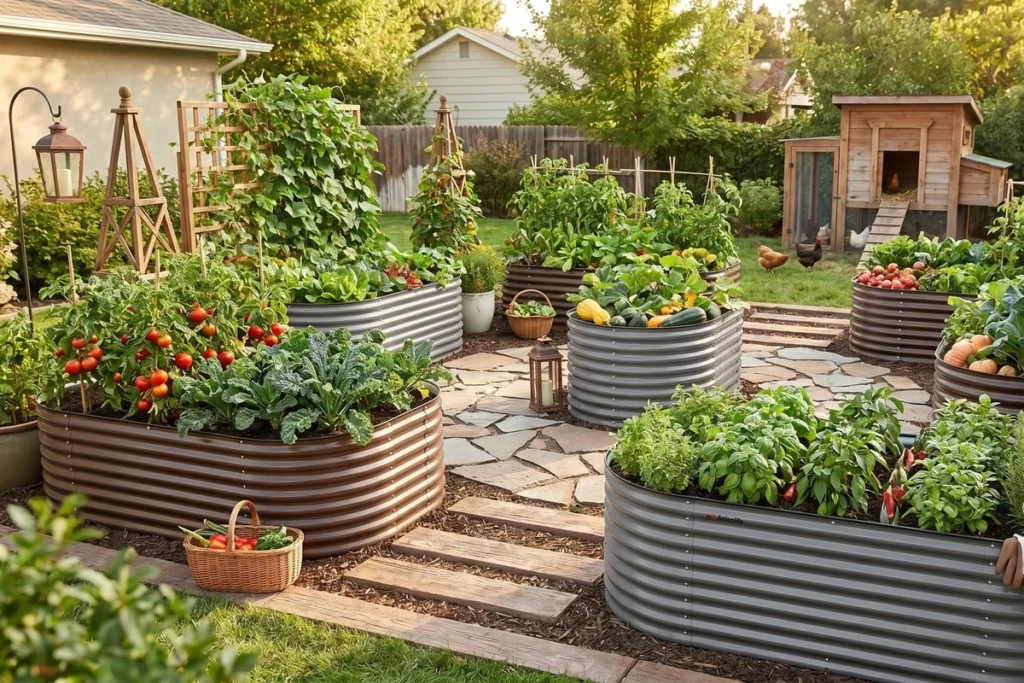
For distributors, garden retailers, importers, and private-label brands, choosing a raised bed is a sourcing decision rather than a simple material choice. Two galvanized steel raised garden beds can look similar online while differing substantially in steel thickness, metallic coating, paint system, corrugation, edge treatment, hardware, packaging, and field life.
This B2B guide compares material systems, YardAve’s standard panel profile, durability, modular construction, quality control, packaging, and landed cost.
Quick answer: A well-specified galvanized steel raised garden bed combines a zinc-based metallic coating, an appropriate exterior finish, reinforced edges, compatible fasteners, effective drainage, and packaging designed to reduce transit damage. B2B buyers should approve the complete specification rather than purchasing on appearance or sheet thickness alone.
Why Galvanized Steel Raised Garden Beds Work for B2B Buyers
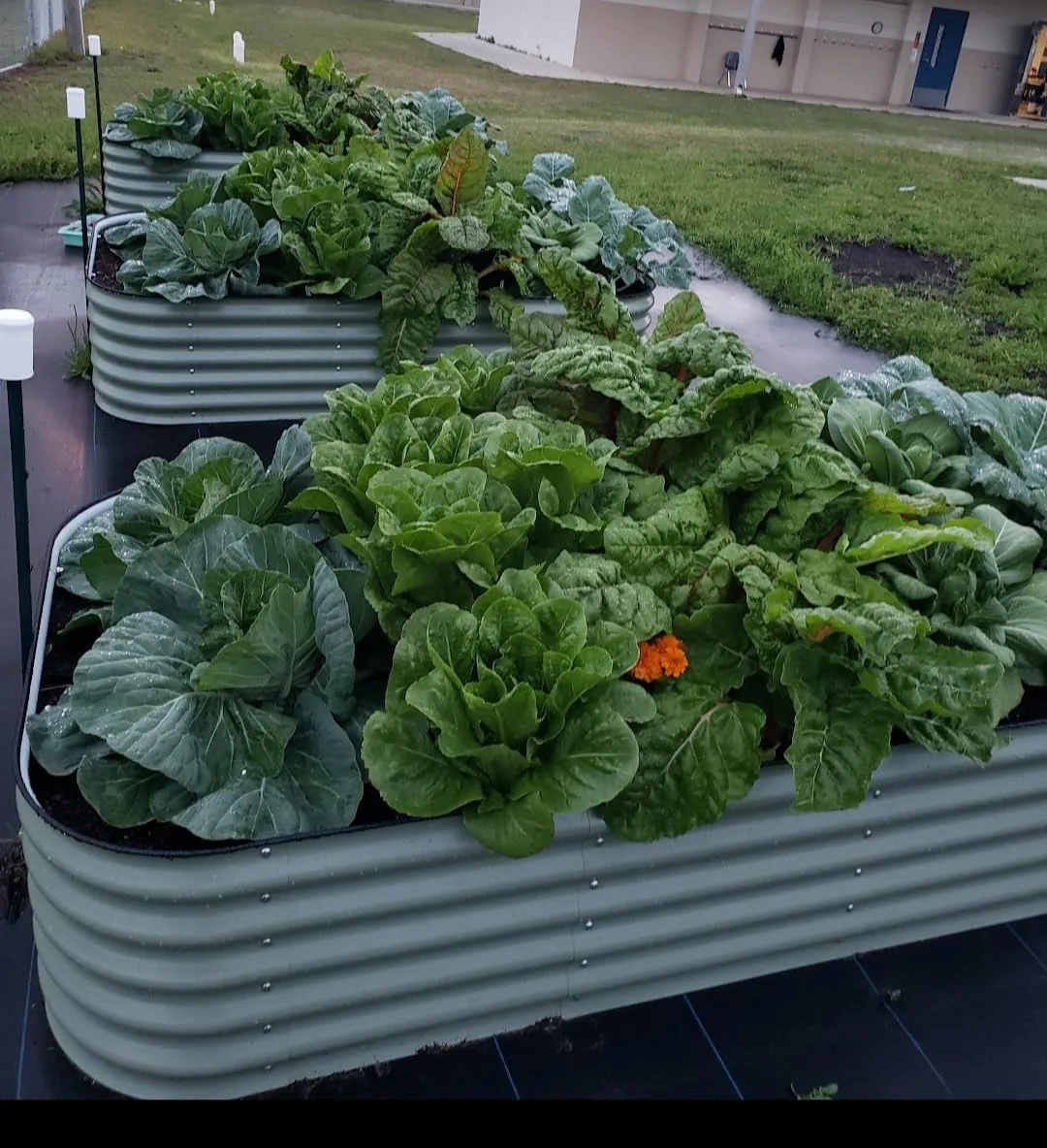
A galvanized steel raised garden bed is an above-ground growing container made from steel sheet protected by a zinc-based metallic layer. This layer separates the steel substrate from moisture and can provide sacrificial protection around minor scratches or exposed areas.
Compared with timber, plastic, or masonry, properly designed galvanized steel garden beds offer several commercial advantages:
- High strength relative to panel weight
- Resistance to rot, termites, and moisture-related decay
- Repeatable factory dimensions and finishes
- Efficient flat-pack shipping
- Modular shapes built from shared components
- Low maintenance for the end customer
- Steel that can be recycled at the end of its service life
YardAve supplies wholesale metal raised garden beds in galvanized, corrugated, modular, elevated, wheeled, and greenhouse-combination formats. Sizes, colors, logos, manuals, accessories, and export cartons can be developed for qualified bulk programs.
Material note: When evaluating galvanized steel raised garden beds, buyers should separate marketing claims from measurable coating and corrosion data, because galvanized steel raised garden beds can vary widely by coil source, paint system, panel profile, and packing method. The American Galvanizers Association explains the galvanizing process, while ISO 12944 corrosion-protection guidance helps buyers think about coating systems, environments, and service-life expectations.
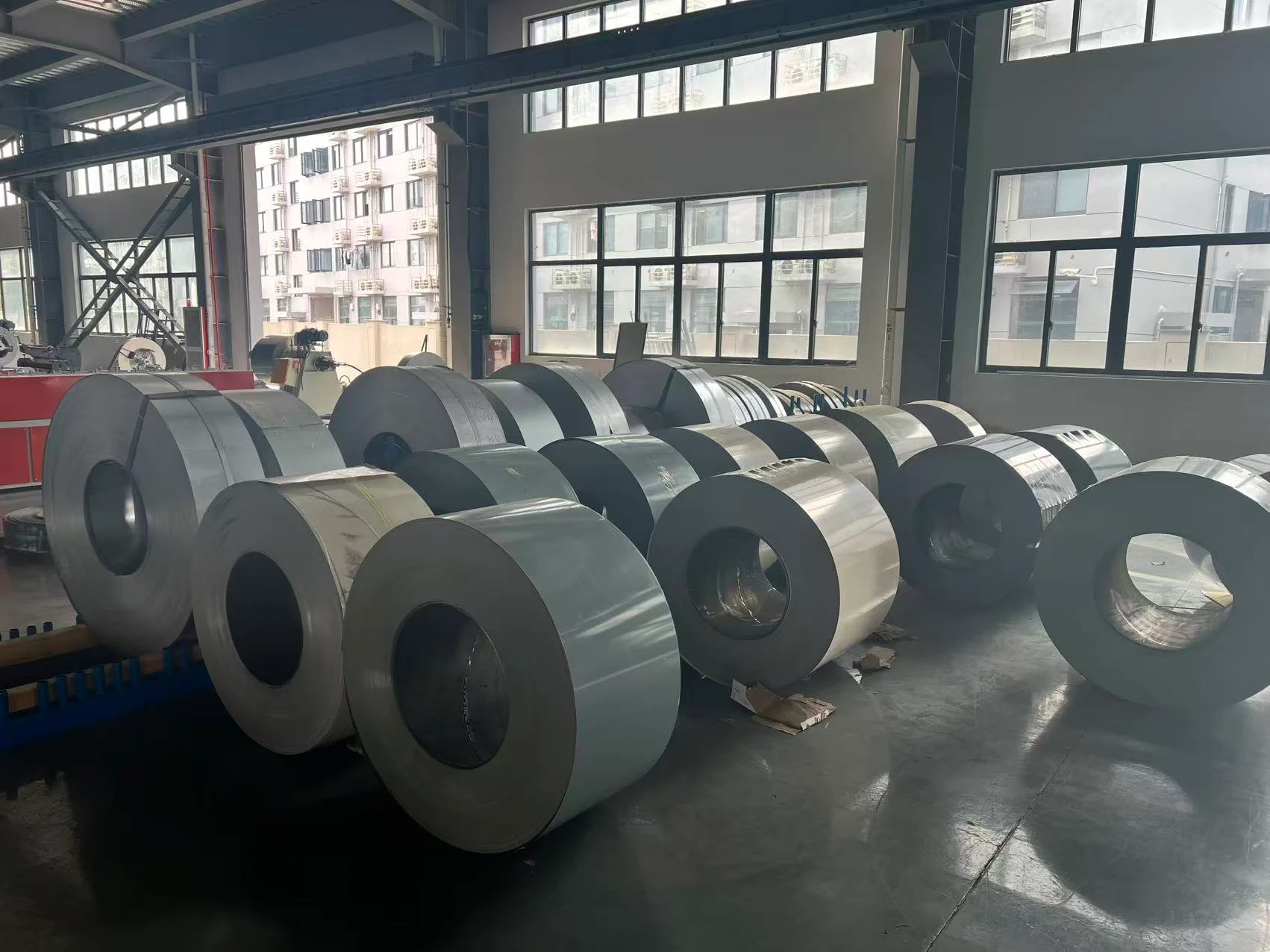
Galvanized Steel Raised Garden Beds: Coil and Coating Options
These terms describe different layers of a product, not necessarily competing materials.
Galvanized steel uses zinc to protect the steel substrate. It is widely available, formable, and cost-efficient for outdoor products when coating mass, cut edges, and drainage are controlled.
Zinc-magnesium or zinc-aluminum-magnesium coated steel combines sacrificial and barrier protection. Its performance varies with composition and coating mass, so buyers should request the actual specification and available mill documentation.
Pre-painted steel coil adds a factory-applied organic coating over the metallic-coated steel before the panels are formed. This is a coil-coating system, not a powder-coated finish. Its durability depends on pretreatment, paint chemistry, front- and back-side film thickness, curing, adhesion, UV exposure, and handling during forming and packing.
YardAve can match the coating system to the product’s target price and outdoor exposure:
| Pre-painted coil system | Nominal paint thickness | Typical weathering-life reference* | Commercial positioning |
|---|---|---|---|
| PE regular polyester | 20 μm front / 7 μm back | About 5–10 years | Cost-sensitive retail and standard outdoor programs |
| HDP high-durability polyester | 50 μm front / 30 μm back | Up to about 20 years | Premium and long-life outdoor programs |
Raised Garden Bed Material-System Comparison
| Material system | Main advantage | Main limitation | Best fit |
|---|---|---|---|
| Unpainted galvanized or ZM-coated steel | Strong, low-maintenance, flat-pack friendly | Appearance and performance depend on metallic coating and edge control | Value-focused wholesale and modular kits |
| Pre-painted galvanized or ZM-coated steel | Adds controlled color and specified front/back paint films | Forming damage and scratches can reduce protection | Branded retail and professional ranges |
| Corten/weathering steel | Architectural appearance | Weathering runoff can stain nearby paving | Landscape and commercial projects |
| Cedar or other wood | Natural look and easy local modification | Can warp, split, rot, or attract insects | Local premium garden markets |
| Plastic | No rust and many molded shapes | UV aging and soil-load deformation require review | Lightweight consumer products |
| Masonry/concrete | Permanent and decay-resistant | Heavy, costly to install, difficult to relocate | Fixed landscape construction |
This comparison explains why galvanized steel garden beds are common in B2B programs: they balance durability, container efficiency, design flexibility, and repeatable production. The correct choice still depends on the destination climate, retail price point, warranty plan, and customer expectations.
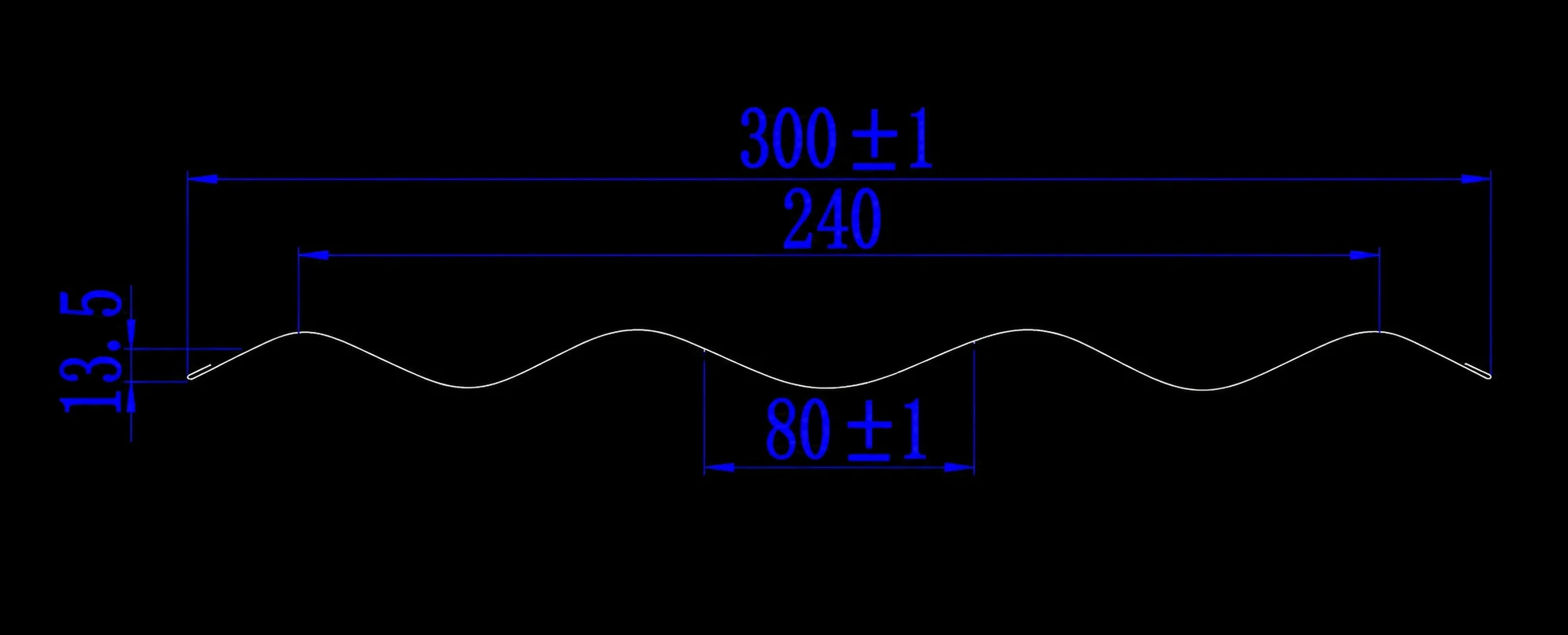
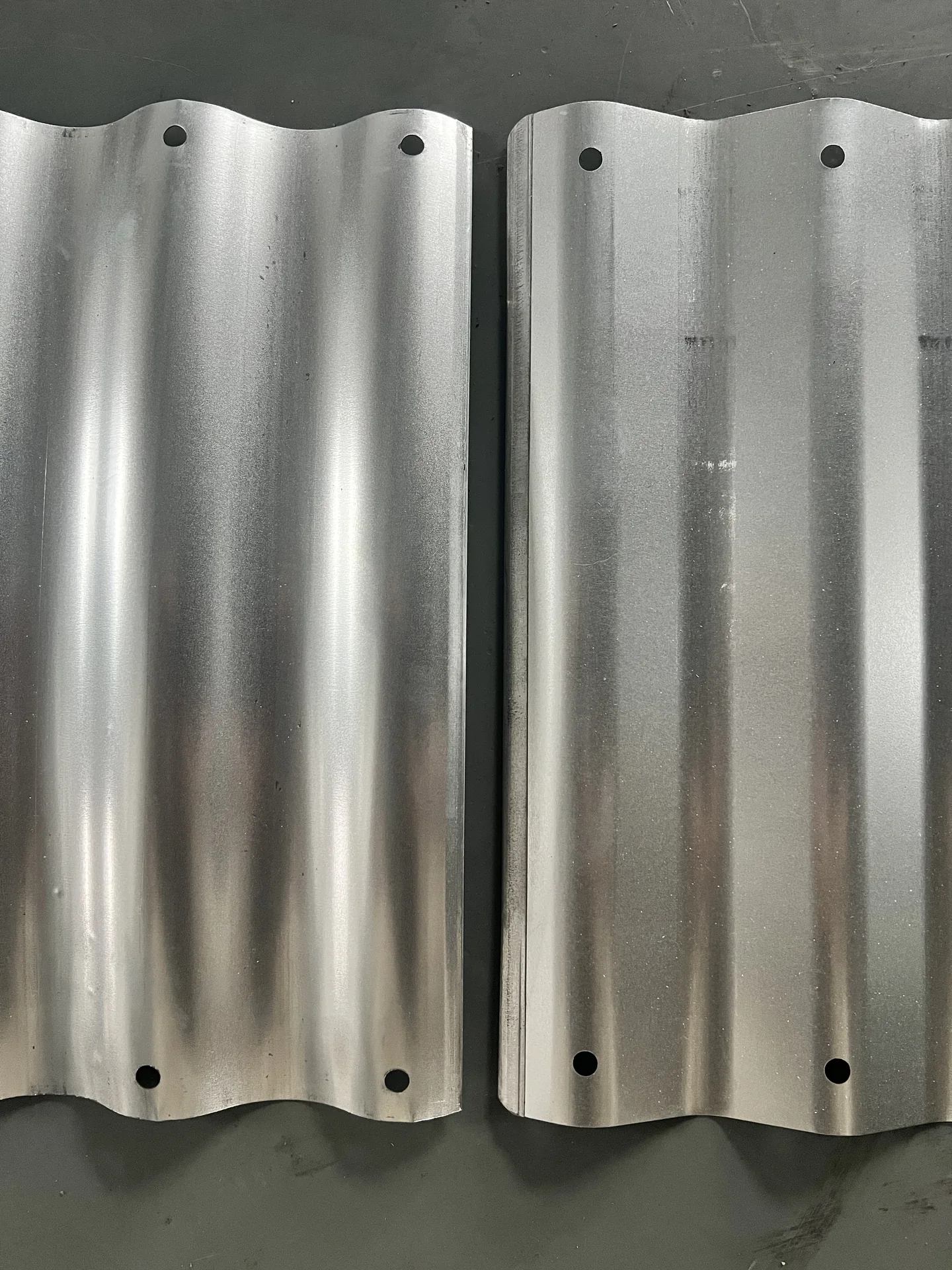
The YardAve 0.6 mm, ZM80, 13.5/80 Panel Specification
YardAve’s standard panel combines the following values:
| Specification | YardAve standard reference | Why buyers should verify it |
|---|---|---|
| Nominal steel thickness | 0.6 mm | Must be reviewed with tolerance, strength, panel length, and bracing |
| ZM metallic coating mass | 80 g/m² (ZM80) | Helps define the corrosion-protection system beneath the paint |
| Corrugation depth | 13.5 mm | Contributes to panel stiffness |
| Corrugation pitch | 80 ± 1 mm | Affects repeatability, overlap, and assembly fit |
| Overall panel height | 300 ± 1 mm | Affects bed depth and soil load |
| Formed corrugated region | Approximately 240 mm | Confirms the usable profile shown in the drawing |
This specification is intended for standard applications when combined with the agreed paint system, suitable edge treatment, compatible hardware, and appropriate installation. The order should state thickness tolerance, steel grade, and material standard. Coastal, industrial, high-salinity, or otherwise aggressive environments require separate review.
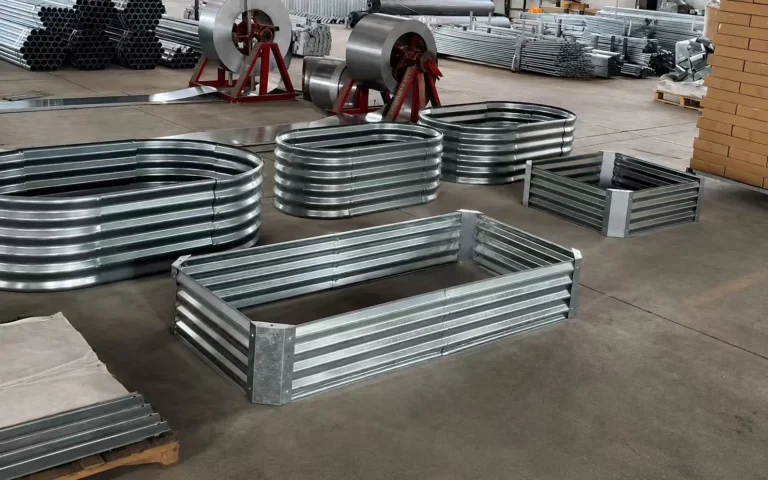
Corrugation increases stiffness and helps the panel resist outward soil pressure. When comparing corrugated steel raised garden beds, evaluate thickness together with corrugation depth, pitch, panel height, panel length, and cross-bracing.
Buyers comparing long oval models can review this corrugated galvanized steel raised garden bed as a relevant product format.
Structural Details That Affect Field Performance
Wet soil creates substantial outward pressure. Material specifications therefore need to work with the physical design. Important features include corrugations or ribs, reinforced top edges, secure corner joints, cross braces for long beds, drainage, and rounded or covered edges.
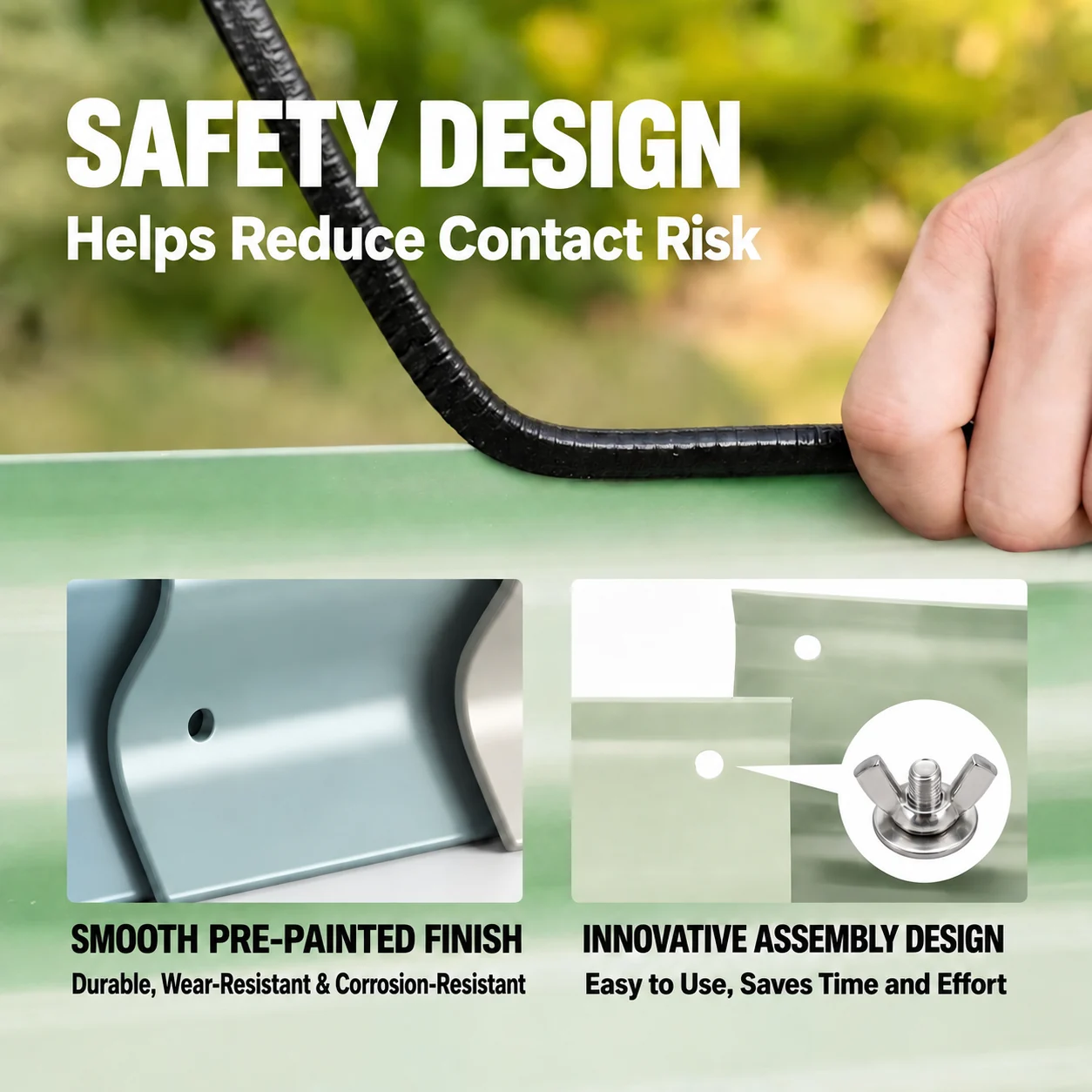
Three-part edge safety design
Some basic corrugated panels retain straight-cut corners or exposed metal edges. YardAve combines three details to improve handling and contact safety:
| Safety detail | YardAve treatment | Practical purpose |
|---|---|---|
| Panel corners | Rounded corner treatment | Reduces exposed points near assembly and handling areas |
| Upper metal edge | Rolled edge | Creates a smoother contact surface and adds longitudinal stiffness |
| Edge accessory | Protective rubber safety trim | Helps protect hands from scratches caused by the metal edge during handling and assembly |
During sample approval, confirm that the rubber trim fits securely, remains continuous around curves, and appears in the bill of materials and spare-parts count.
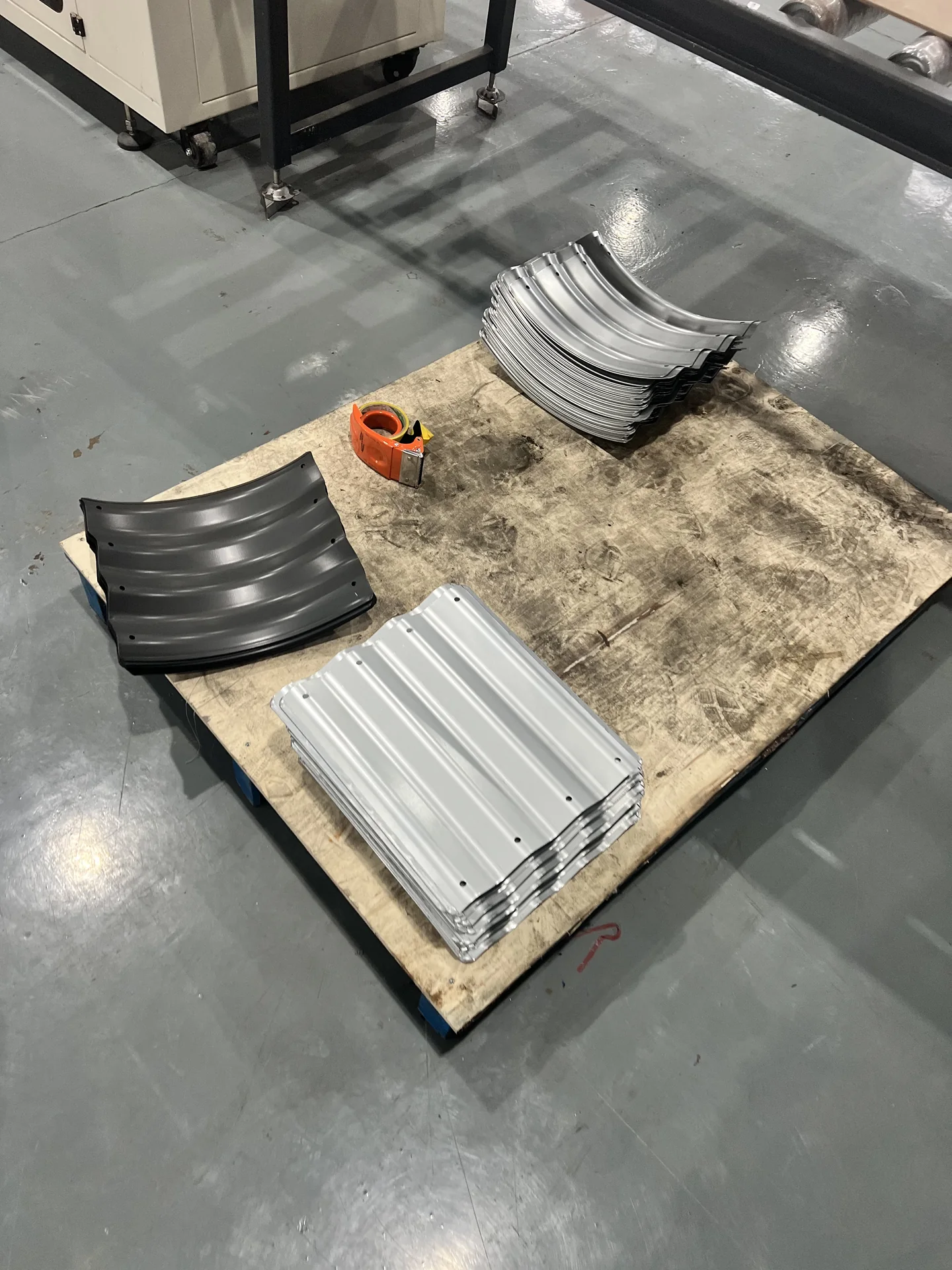
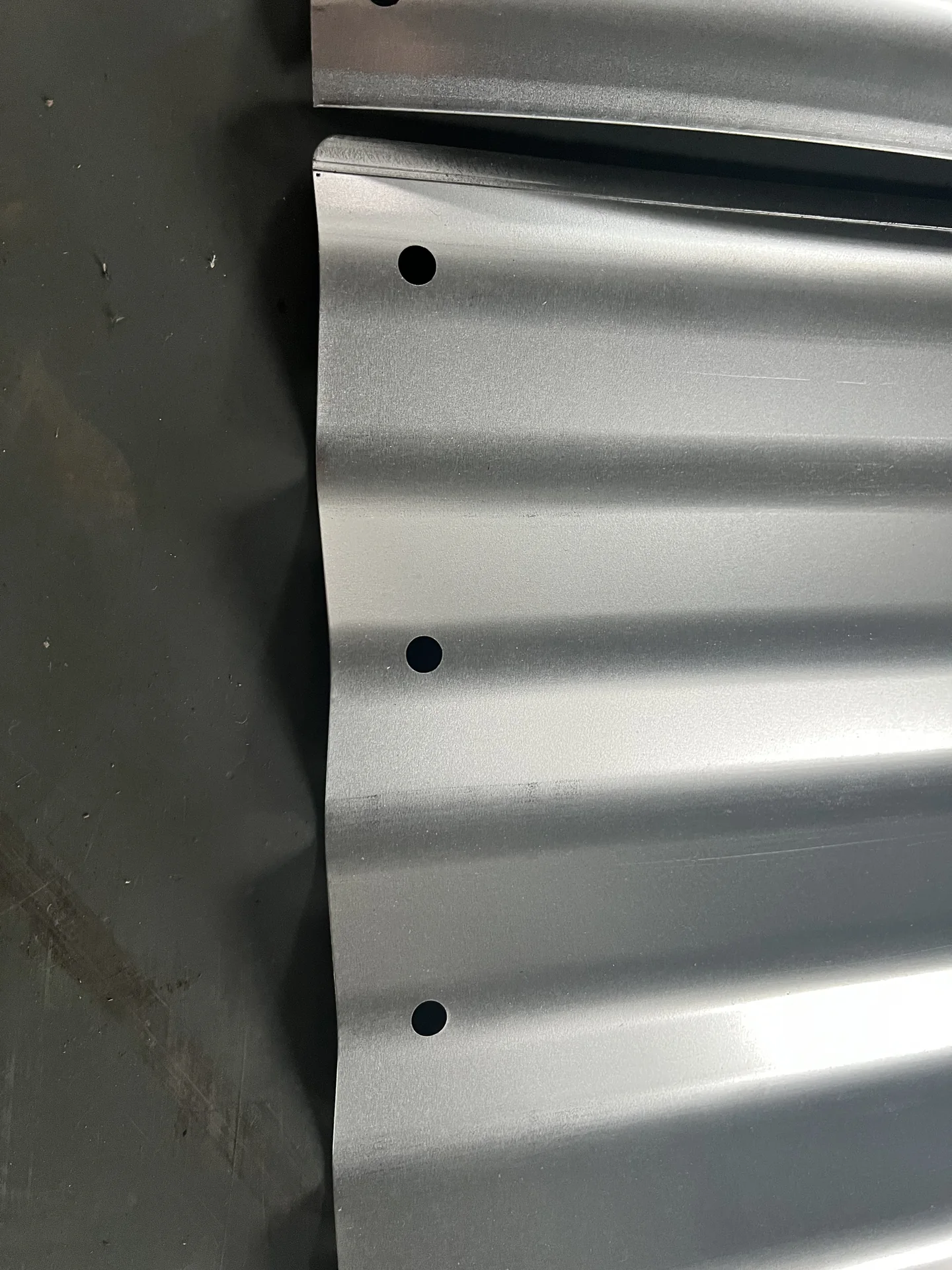
Cut edges, punched holes, and corners are more vulnerable than an intact coated surface. Sample inspection should therefore check exposed steel, sharp edges, coating damage, hole alignment, panel bowing, fastener pull-through, and connection movement. For a large or tall design, request load testing or a documented structural basis. A heavy-duty rectangular galvanized steel raised garden bed is a more useful comparison than an unrelated decorative planter.
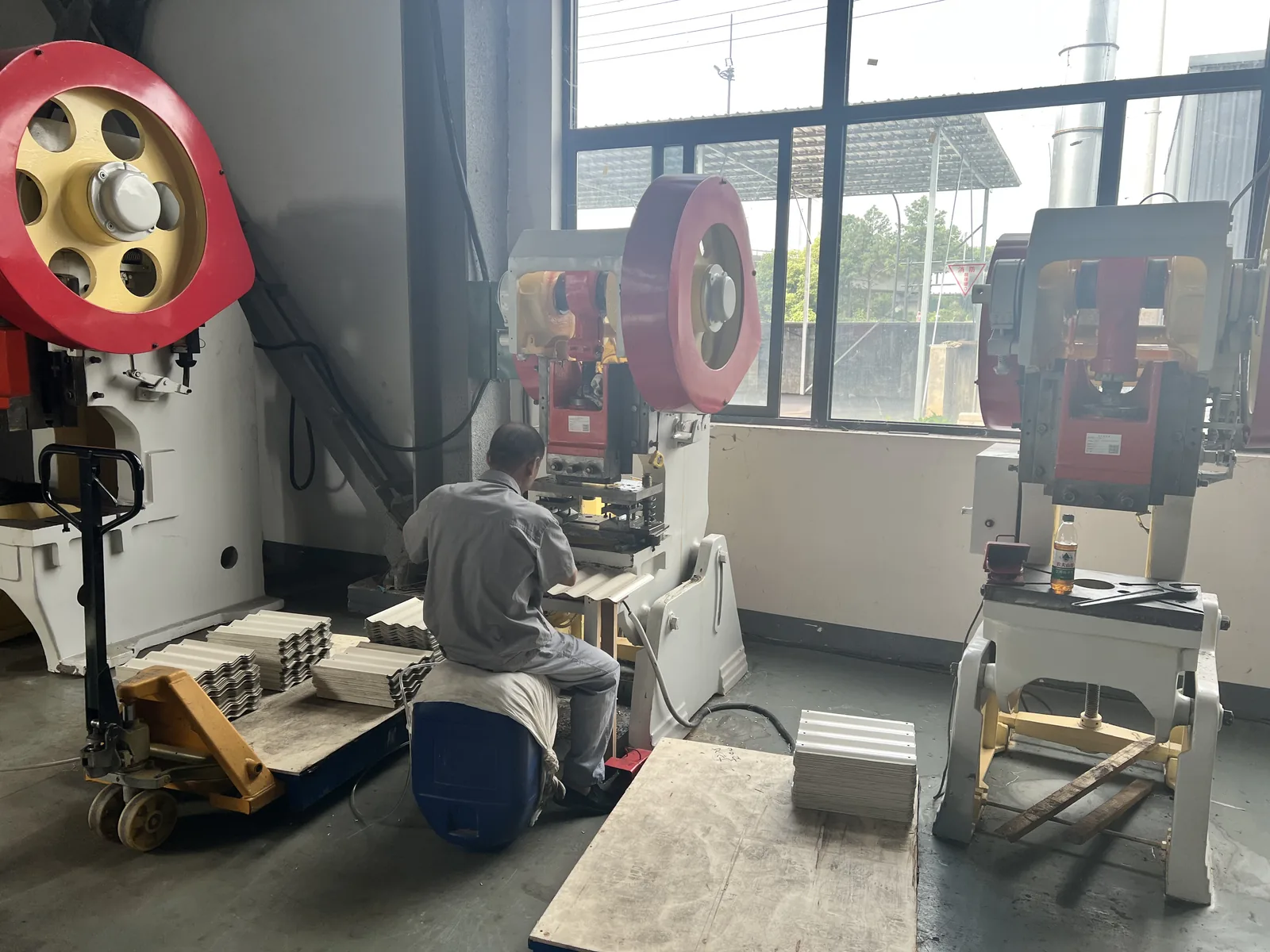
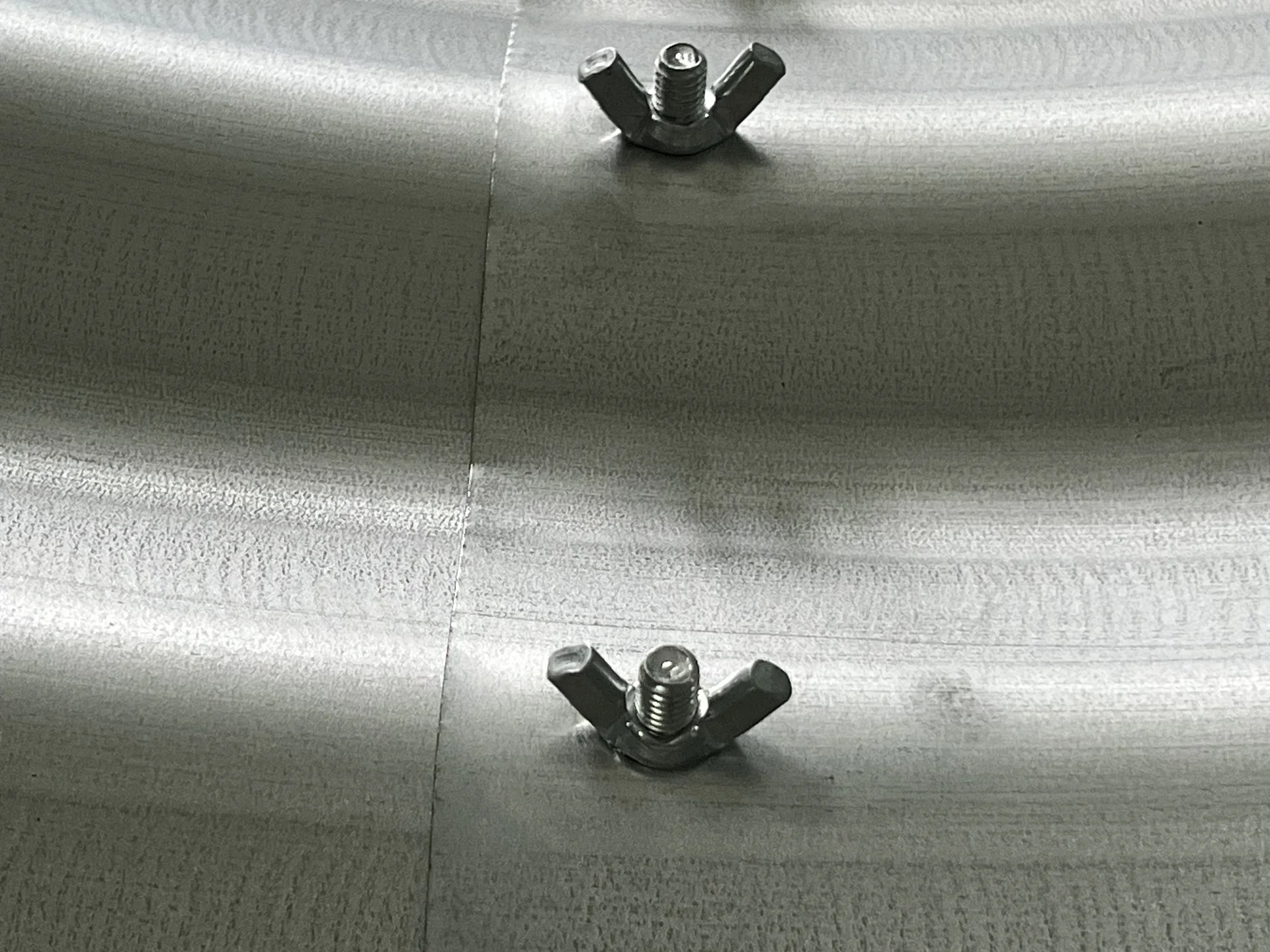
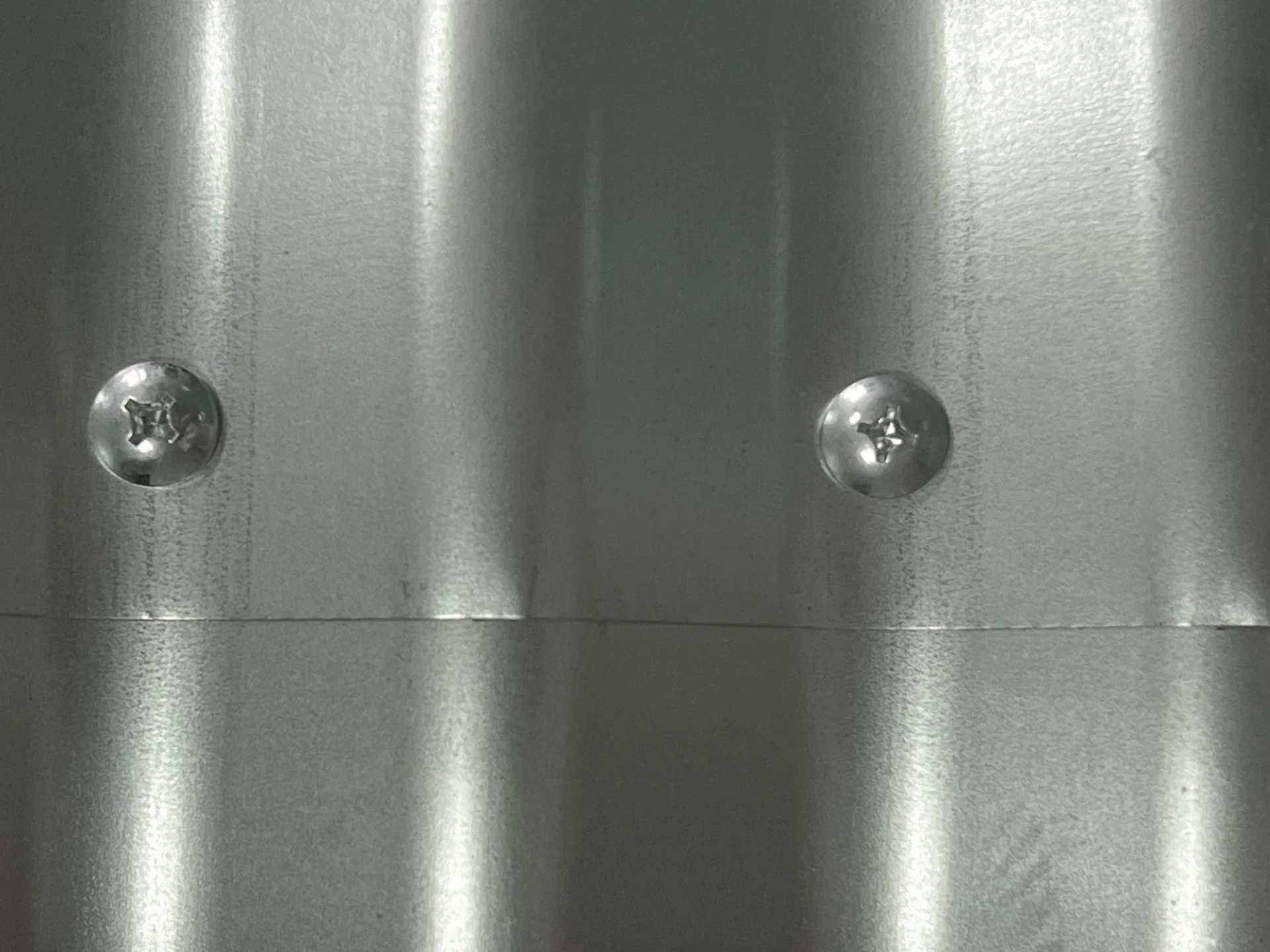
Fasteners should be compatible with the panels and suitable for outdoor use. Washers, caps, and rounded screw heads can improve installation safety and reduce finish damage.
Food Growing, Heat, and Service-Life Claims
| Buyer question | Factors to evaluate | Evidence or responsible wording |
|---|---|---|
| Is it suitable for food growing? | Metallic-coating composition, paint chemistry, internal surfaces, plastics, sealants, and material traceability | Use documentation for the exact material system; do not claim food-safe, organic, USDA-compliant, or non-leaching performance without support |
| Will a metal bed overheat? | Color, reflectivity, irrigation, soil moisture, bed size, mulch, airflow, orientation, and climate | Record test method, ambient temperature, soil moisture, bed color, probe position, and time |
| How long will it last? | Coating mass, paint films, drainage, fertilizer, soil chemistry, scratches, salt exposure, dissimilar metals, and maintenance | Use coating measurements, adhesion and corrosion tests, outdoor exposure data, and written warranty terms |
Light finishes generally absorb less solar energy than dark finishes. In hot markets, practical measures include adequate soil volume, consistent irrigation, organic mulch, and shade during extreme conditions. No single lifespan applies to every galvanized raised bed; published claims should match the approved product specification and its supporting evidence.
Modular Raised Garden Bed Kits and Custom Programs
A modular raised garden bed uses shared straight and curved panels to create several footprints. For retailers, this can reduce SKU complexity while giving customers more configuration choices. A well-designed raised garden bed kit should include a clear hardware count, spare-parts policy, illustrated instructions, realistic assembly time, and compatibility rules for expansion panels.
When evaluating a modular metal raised garden bed, confirm the number of configurations, panel lengths, corner angles, tools required, carton dimensions, and compatibility across product generations.
Custom raised garden beds can be developed around market-specific dimensions, colors, finishes, branding, instructions, accessories, and channel requirements. Before mass production, approve both an assembled sample and the fully packed product. This catches fit, color, labeling, carton, and customer-experience issues before they affect a full container.
B2B Specification and Landed-Cost Checklist for Galvanized Steel Raised Garden Beds
Send the same specification sheet to every shortlisted supplier so quotations remain comparable:
| Area | Information to confirm |
|---|---|
| Steel and coating | Grade, nominal thickness, tolerance, composition, coating mass, standard |
| Exterior finish | Chemistry, pretreatment, film thickness, gloss, color tolerance, adhesion |
| Structure | Profile, dimensions, bracing, edge reinforcement, soil volume, load validation |
| Hardware | Material, finish, quantity, spares, tool requirements |
| Quality | Incoming, in-process, final inspection, test method, acceptance limits |
| Packaging | Carton strength, inserts, drop test, labels, pallet plan, spare parts |
| Commercial terms | MOQ, sample cost, tooling, lead time, payment terms, warranty |
| Logistics | Unit/carton dimensions, net/gross weight, 20GP/40HQ quantity, Incoterm |
Unit price alone does not show the real cost. Add artwork or tooling, inspection, export packing, inland transport, freight, duties, warehousing, damage, replacements, and warranty handling. A stronger panel or improved carton may cost more per unit but lower the landed cost per sale.
For details on custom packaging MOQ and OEM options, buyers can review YardAve’s purchasing support information before preparing an RFQ.
From RFQ to Container Loading for Galvanized Steel Raised Garden Beds
A controlled wholesale program normally follows this sequence:
- Define the target market, model, dimensions, quantity, and price position.
- Confirm steel, coating, color, hardware, branding, compliance, and packaging.
- Produce and approve a sample or pre-production sample.
- Freeze drawings, bill of materials, color standard, instructions, and carton artwork.
- Inspect incoming materials and first production pieces.
- Monitor forming, coating, fit, appearance, and packaging during production.
- Complete final inspection, pallet checks, and the container loading plan.
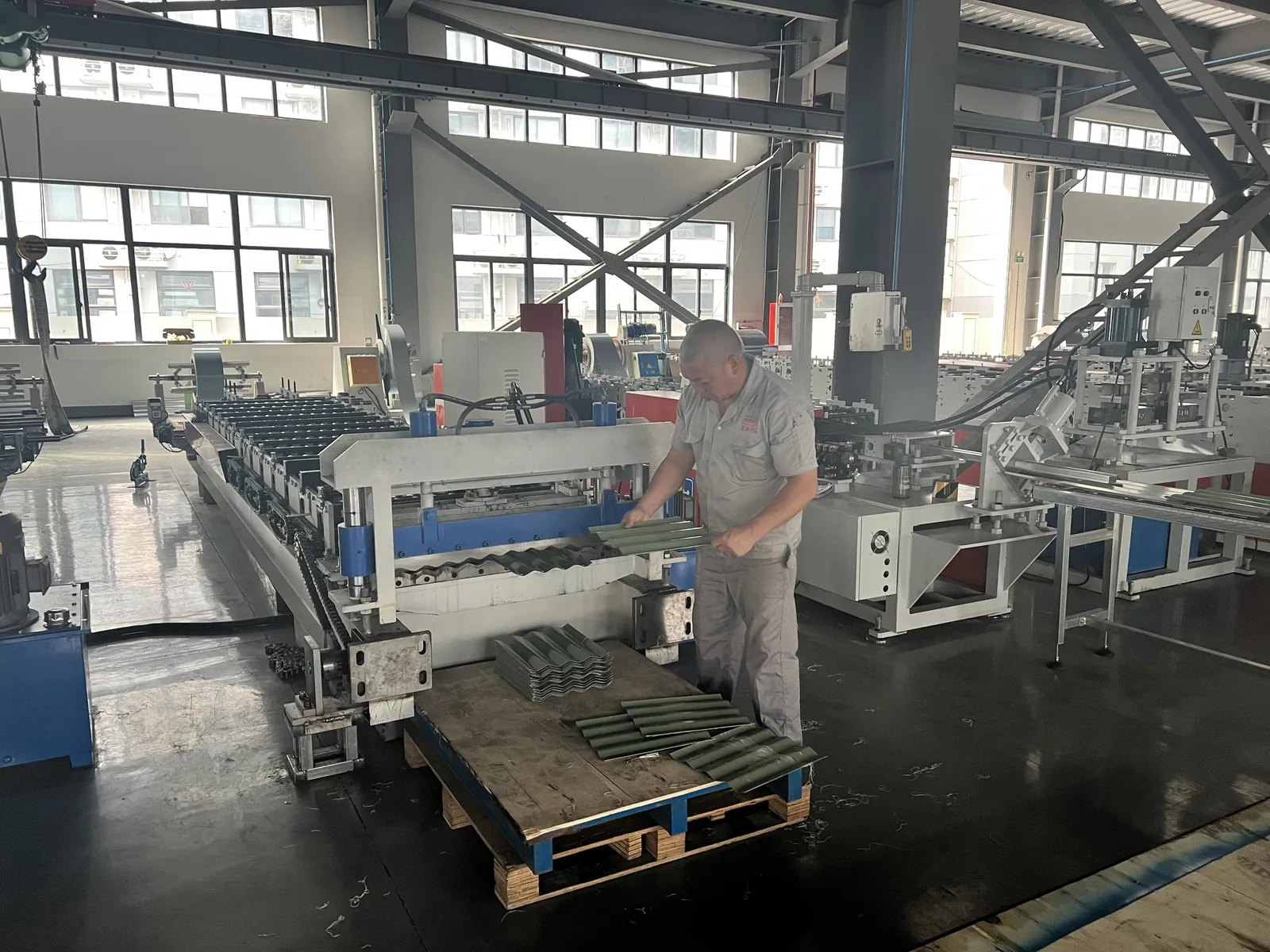
YardAve supports OEM and ODM production for importers, distributors, retailers, garden brands, and project buyers. To receive a useful quotation, provide the model or drawing, material and finish, estimated quantity, destination port, target market, branding, packaging, certification needs, and expected delivery schedule.
Source Galvanized Steel Raised Garden Beds from YardAve
The best B2B product is defined by a complete and verifiable system: traceable materials, suitable corrosion protection, safe edges, adequate structural support, compatible hardware, controlled finishing, and export packaging matched to the sales channel.
For distributors comparing galvanized steel raised garden beds across factories, the strongest offer is usually the one with a clear material specification, consistent forming process, protective packing, and export-ready documentation.
YardAve manufactures wholesale raised garden beds for retail, distribution, private-label, and project programs.
Request a Galvanized Steel Raised Garden Beds Factory Quotation
Include your target specifications, order quantity, destination, and packaging requirements.

[…] For a detailed example of how coating, thickness, corrugation, hardware, and edge protection work together, see YardAve’s raised garden bed material specification guide. […]
[…] For a detailed example of how coating, thickness, corrugation, hardware, and edge protection work together, see YardAve’s raised garden bed material specification guide. […]
[…] Before placing a mass order, ask for an assembled sample and a fully packed sample. The assembled sample shows structure and user experience. The packed sample shows whether the product can survive shipping. For more sourcing checks, use our raised garden bed manufacturer checklist and compare material details in the galvanized steel raised garden bed material guide. […]
[…] Why are internal links and product pages useful for buyers? They help compare category options, material guides, and supplier checks in one sourcing flow. Review Yardave’s raised garden beds category, manufacturer checklist, and galvanized steel material guide. […]
[…] For galvanized versions, compare coating and paint details using a material guide such as YardAve’s galvanized steel raised garden bed sourcing guide. […]
[…] YardAve’s galvanized steel material guide and raised garden bed category to compare product […]
[…] Why are internal links and product pages useful for buyers? They help compare category options, material guides, and supplier checks in one sourcing flow. Review Yardave’s raised garden beds category, manufacturer checklist, and galvanized steel material guide. […]
[…] For a detailed example of how coating, thickness, corrugation, hardware, and edge protection work together, see YardAve’s raised garden bed material specification guide. […]